Hot Dog Favorites That Bring Back Ballpark Memories
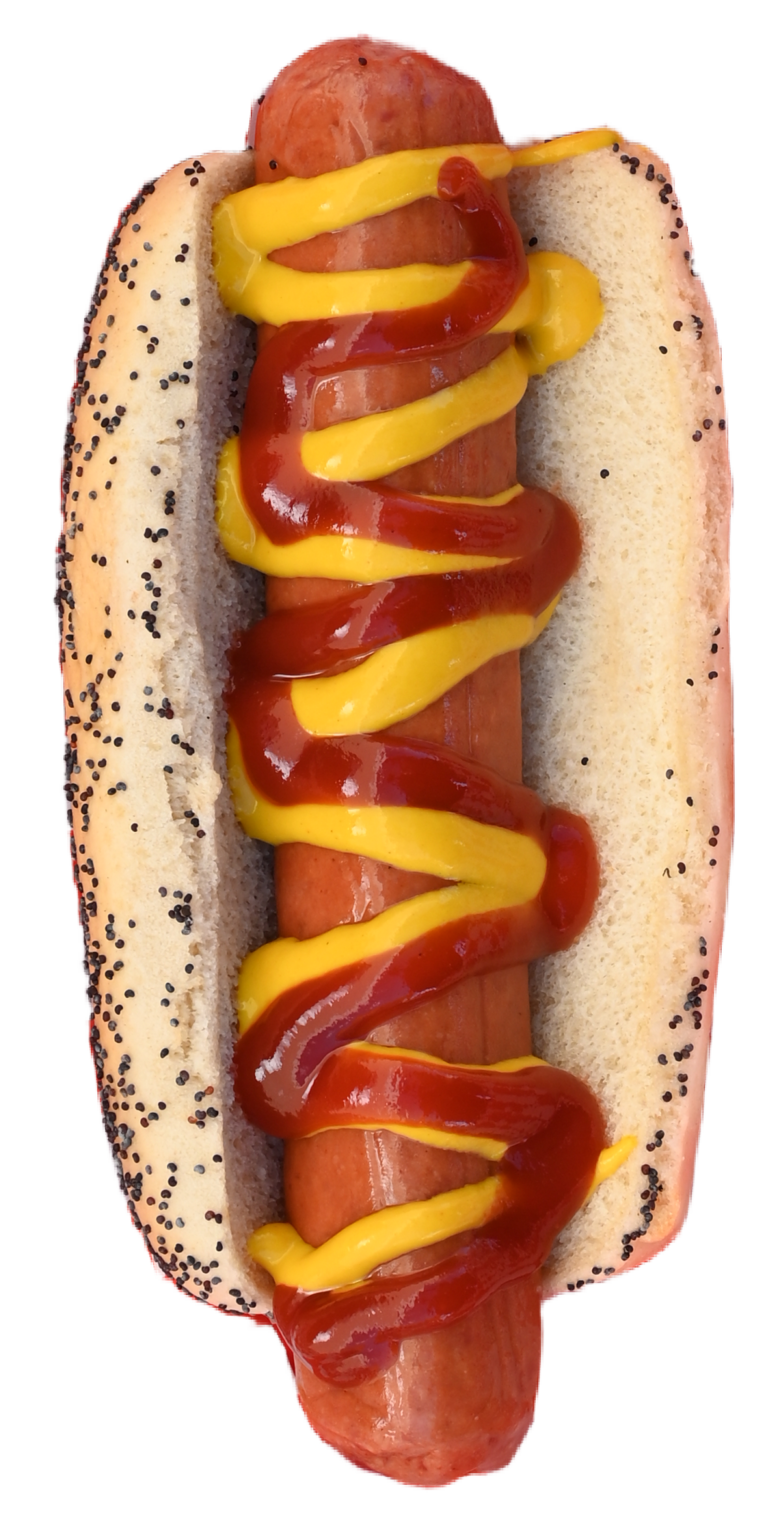

The first bite of a ballpark hot dog rarely tastes like culinary perfection. The bun may be a little too soft. The mustard may hit one side harder than the other. The relish might be brighter than anything found in nature. None of that matters. What matters is the setting, the rhythm of the crowd, the paper wrapper warming your hands, and the simple fact that few foods are tied so tightly to a place and a feeling.
A hot dog at home can be excellent. A hot dog at a backyard cookout can be even better. But a hot dog eaten within sight of green grass, dirt baselines, and a scoreboard carries a different kind of power. It belongs to summer. It belongs to anticipation. It belongs to long innings, scorecards, and the low steady hum of people who came for baseball and stayed for the ritual.
For many of us, the memory starts before the first pitch. It starts in line, with the smell of grilled onions drifting above the concourse and the sound of foil crinkling behind the counter. You might have been ten years old, balancing a soda cup that felt too large for your hands. You might have been thirty, taking your own kid to a game and realizing you were ordering the exact same thing your father always did. That is the quiet force of ballpark food. It does not just feed the moment. It stitches generations together.
Why the ballpark hot dog holds its place
The appeal of the ballpark hot dog is partly about simplicity. Baseball is a game of long attention, small shifts, and patient reward. Its signature food fits that mood. A hot dog is easy to carry, quick to eat between pitches, and sturdy enough to survive a walk up a concrete ramp and down a narrow row of seats. It asks very little of the eater, which is one reason it gives so much back.
There is also the matter of familiarity. Stadium menus have expanded dramatically over the past twenty years. You can now find artisan sausages, loaded nachos, helmet-sized desserts, and regional specialties that would have seemed unthinkable in many parks a generation ago. Yet the standard hot dog remains the anchor. Fans may flirt with novelty, but many return to the old favorite by the third inning. They want something they recognize, something that tastes like baseball itself.
That recognition is not abstract. It is sensory. The snap of the casing, when the dog has one. The pillowy softness of the bun. The contrast between warm meat and cool condiments. The vinegar edge of yellow mustard. The sweetness of relish. The onion bite that lingers just long enough to keep another sip of soda interesting. A well-made hot dog is a lesson in balance, even when it is wrapped in paper and eaten with one eye on the field.
The classics that never lose
Every ballpark has its local loyalties, but a few hot dog styles seem to travel well because they speak to broad, durable cravings rather than trends.
The plain dog, surprisingly, may be the most revealing of all. It gets overlooked because it sounds bare, but a plain hot dog leaves nowhere to hide. You notice the quality of the frank, the freshness of the bun, and the temperature right away. At a stadium, where volume is high and speed matters, a plain dog can be a small test of professionalism. If it is juicy, properly heated, and served on a bun that is soft without being damp, the place probably knows what it is doing.
Mustard-only has long been the purist’s choice. Yellow mustard is not subtle, and that is exactly why it works. It cuts the fat, lifts the salt, and brings a sharp clean note that keeps the hot dog from feeling heavy. There is also a visual argument in its favor. A mustard-striped hot dog simply looks right in a ballpark seat. It is bright, uncomplicated, and honest.
Then comes the standard trinity of mustard, relish, and onions. This is the style many people remember from childhood because it is the version most likely to have been handed over by a parent who wanted something safe, familiar, and easy. It is sweet, tangy, and slightly messy, which is often the point. A baseball game should allow a little harmless disorder.
Chili dogs belong in a different category. They are not as practical, and no one should pretend otherwise. They drip, they stain, and they demand commitment. But in the right setting, especially at a minor league park on a humid summer night, a chili dog can feel like a feast. Good chili for a hot dog should be thick enough to stay put, spiced enough to add depth, and restrained enough not to bully the frank underneath. Cheese, if added, should melt into the chili rather than sit on top in a rubbery blanket.
The kraut dog occupies a narrower lane, but its fans are loyal for good reason. Sauerkraut brings acidity, texture, and enough fermented punch to wake up a standard stadium frank. It suits cooler evenings especially well, when the game stretches into the eighth and the air starts to change.
Regional favorites, local pride, and stadium identity
A ballpark hot dog can be more than a generic snack. In the best cases, it becomes an edible emblem of the city around it. That is where memory gets richer. You are not just remembering a game. You are remembering a place.
Chicago remains one of the strongest examples. The classic Chicago-style hot dog is famous for its no-ketchup rule, but that slogan can distract from what actually makes the style compelling. It is a composition built on contrast: mustard, neon relish, onion, tomato, pickle spear, sport peppers, celery salt, and an all-beef frank on a poppy seed bun. It sounds excessive if you list it cold. Eat one at the right moment, though, and it comes together with surprising logic. Each component has a job. The mustard sharpens, the relish sweetens, the pickle cools, the peppers spark, and the celery salt ties the whole thing together. It is a hot dog with architecture.
New York’s approach has a different energy. It is less decorative, more direct. Onion sauce and spicy brown mustard over a beef frank captures something essential about eating in motion, whether you are in a stadium aisle or on a city corner. The flavors are stronger and darker, the sweetness lower, the mood more brisk. It is a hot dog that expects you to keep moving, even if you are only hurrying back to your seat before the next batter steps in.
In Detroit, the Coney dog carries its own devoted following. The meat sauce, mustard, and chopped onions create a satisfying mix of savory richness and clean bite. Depending on where you grew up, your loyalty may run fiercely toward one version or another, and those loyalties often start young. Food arguments tied to baseball are rarely just about food. They are about belonging.
Elsewhere, parks have embraced regional sausages, slaws, barbecue toppings, and house-made condiments, often with real success. The challenge is restraint. A stadium hot dog should still be recognizable as a hot dog. Once toppings become a tower and the bun becomes an afterthought, the link to tradition weakens. Novelty has its place, but nostalgia has more staying power.
What actually makes a great ballpark hot dog
People tend to focus on toppings because they are easy to see, but the best hot dogs begin with decisions most fans never notice directly. The frank itself matters most. Beef franks usually deliver a cleaner, deeper flavor than mixed-meat versions, though there is room for regional preference. Some people grew up with a softer, milder hot dog and will always associate that taste with games. Memory is often more persuasive https://connerjrhz621.clearhavendigest.com/posts/top-mistakes-to-avoid-when-cooking-a-hot-dog than objective quality.
Texture matters almost as much as flavor. A natural casing gives you that quick, satisfying snap, which many serious hot dog fans prize. Skinless dogs can still be good, especially when kept moist and served hot, but they rarely create the same sense of contrast. In a loud stadium full of distractions, that snap cuts through.
The bun is where many ballpark operations quietly lose ground. A stale bun will flatten even a well-made frank. A refrigerated bun can feel lifeless. Ideally, the bun should be fresh, slightly warm, and soft enough to compress around the dog without tearing. Toasting can work, but only if done lightly. Too much toast creates crumbs and stiffness, and a stadium hot dog should not require engineering.
Condiment application is another overlooked factor. Too much mustard masks the meat. Too much relish spills immediately. Onions need to be fresh or properly cooked, depending on style, and never soupy. Chili needs body. Sauerkraut needs drainage. These sound like minor concerns until you eat a dozen hot dogs in different parks over a season, which some of us have done in the name of good judgment and not mere appetite. The best vendors understand that consistency is not glamorous, but it is what people remember.
The favorites people talk about years later
Ask fans to describe the hot dog they still think about, and they often do not start with ingredients. They start with circumstances.
It was Opening Day, cold enough for jackets, and the steam coming from the dog felt as important as the taste. It was the seventh inning of a doubleheader, and the second hot dog somehow tasted better than the first. It was a late-summer game with a fading orange sky, when mustard on your wrist and salt on your fingertips seemed perfectly acceptable. It was the first game after a long illness in the family, or the first game with a son old enough to keep score, or the last game before a move across the country.
These stories reveal something useful. The favorite hot dog is often not the most elaborate or expensive one. It is the one attached to a strong emotional frame. Food writers and chefs sometimes resist that idea because it sounds sentimental, but sentiment is part of how taste works in real life. Flavor does not arrive as an isolated data point. It arrives wrapped in weather, noise, company, and timing.
That said, certain combinations do show up again and again in people’s strongest memories.
- Mustard and onions on a beef frank, because the balance is sharp, savory, and unmistakably stadium-like.
- Chili and cheese, because it feels indulgent enough to mark the day as an occasion.
- Relish, mustard, and onions, because it is the taste of many childhood ballgames.
- Sauerkraut and mustard, because it brings a grown-up bite that pairs well with cooler evenings.
- A plain hot dog with nothing added, because sometimes memory is tied to the simplest version served at exactly the right moment.
What unites these favorites is not luxury. It is clarity. Each one knows what it wants to be.
The minor league effect
If major league parks often define tradition, minor league parks often preserve intimacy. That matters for hot dog memories. At a smaller stadium, the food can feel closer to the field and the fans closer to one another. You hear the grill hiss. You see the vendor hand over the bun. You walk ten steps back to your seat instead of crossing a sprawling concourse full of branded kiosks.
Many of the most satisfying ballpark hot dogs I have eaten were at minor league games where the operation was simple and the expectations were modest. The buns were not artisanal. The condiments came from pump dispensers. The menu board had sun-faded corners. Yet the hot dogs were hot, fresh, and made with attention. There is a lesson in that. Stadium food does not need to be elevated to be memorable. It needs to be cared for.
Minor league parks also tend to take playful risks without losing sight of the base product. You might find a regional chili sauce, a slaw-topped dog, or a sausage nodding to local heritage. Because the setting is relaxed, fans are often more willing to try something new. Even then, the best versions still respect the essential balance between frank, bun, and topping.
Re-creating the ballpark feeling at home
Trying to make a ballpark hot dog at home can be surprisingly difficult, not because the technique is advanced, but because the missing ingredient is environment. Still, you can get closer than most people do if you make a few smart choices.
Start with the right frank. If you can buy the same style used in local stadiums or classic regional stands, do it. Many parks use straightforward all-beef dogs from established producers, and those brands are often available at retail. Steam or simmer if you want softness and classic nostalgia. Grill if you want a little char, though too much smoke starts to move the experience away from the ballpark and toward the backyard cookout.
Warm the buns. This small step matters. A brief steam or a few seconds wrapped in a towel can transform the texture. Set out condiments with some discipline instead of turning the meal into a topping free-for-all. Part of the ballpark charm comes from limits. Too many choices can make the food feel less itself.
If you really want to trigger memory, pay attention to the supporting cast. Cold drinks in paper cups if you can manage them. Peanuts in a bowl. A radio broadcast or a game on television. Eat outside if the weather allows. Real nostalgia is not staged, but it can be invited.
A few practical truths about toppings
People can get oddly moral about hot dog condiments, especially ketchup. Much of that is harmless fun, but experience suggests a more useful standard: the best topping is the one that fits the dog, the setting, and the eater.
Ketchup on a high-quality beef frank can blur the meat’s flavor, particularly if the bun is sweet too. That is a real trade-off. But on a basic stadium dog, especially for a child or anyone who genuinely prefers it, ketchup is not some culinary failure. It is a preference. The same goes for cheese sauce, jalapeños, slaw, or grilled peppers. The only real mistake is creating a topping load so heavy that the hot dog disappears.
For anyone looking to improve their own game-day hot dogs, these details make the biggest difference:
- Keep the dog hot and juicy, not held so long that it dries out.
- Warm the bun, even if only briefly.
- Use fewer toppings than you think you need.
- Match strong condiments with stronger franks.
- Drain wet toppings before serving.
Those are small moves, but they separate a merely acceptable hot dog from one that feels worth remembering.
Why these memories endure
Ballpark hot dogs endure in memory because they sit at the intersection of habit and occasion. You may eat one dozens of times over a lifetime, yet each one arrives inside an event. There is a date, a score, an opponent, a season, and often a companion attached to it. Few foods get that kind of repeated ceremonial framing.
They also endure because they never pretend to be more important than they are. A hot dog does not need a backstory to justify itself. It offers warmth, salt, fat, softness, and a little tang, all in a package made for one hand. It is democratic food. Kids love it. Grandparents order it. Serious fans eat it in the third inning without announcing their choice to anyone. That kind of universality is rare.
Baseball itself has changed, as every fan knows. Stadiums have become more sophisticated. Menus have widened. Ticket prices have climbed. Attention spans have shortened. Yet the hot dog survives all of that because it still answers the same basic desire. You want something quick, familiar, and satisfying while the game unfolds. You want to take part in a ritual that existed before you arrived and will continue after you leave.
That is why a hot dog can bring back ballpark memories with unusual force. The food is simple, but the associations are layered. It recalls summer evenings, radio voices, the scrape of seats folding up, the look of fresh dirt under stadium lights. It recalls people who sat beside us, some still here, some gone. It recalls the private arithmetic of fandom, all those seasons measured not just in wins and losses, but in outings, companions, and snacks eaten between innings.
A favorite ballpark hot dog may be dressed with mustard, loaded with chili, crowned with kraut, or served plain in a soft white bun. However it appears, it carries more than flavor. It carries place, repetition, and affection. That is why the memory lasts. Not because the hot dog was fancy. Because for a few innings, it tasted exactly like being there.
Under Construction Hot Dogs
1225 W U.S. Hwy 50, Pueblo, CO 81008
FAQ About hot dog
What are different types of hotdogs?
Under Construction Hot Dogs offers a classic all-beef hot dog, a quarter-pound Jumbo Dog, a Chili Dog, and a Chicago Dog, along with brats and a Spicy Link.
What does a chili dog have on it?
Our Chili Dog pairs a Vienna all-beef hot dog with chili, shredded cheddar cheese, and finely diced onions.
What is in a traditional Chicago dog?
Our Chicago Dog comes on a steamed poppy seed bun with yellow mustard, bright green relish, onions, tomato wedges, a pickle spear, sport peppers, and celery salt.